
Get Japanese Barberry Removal in Manchester, NH
Local contractors in Manchester, NH, can remove Japanese Barberry to eliminate invasive plants, improve landscape appearance, and prevent spread to nearby gardens.
Property owners in Manchester, NH, considering invasive plant management often find themselves weighing options for effective removal. Japanese Barberry, a common concern in the area, can impact the health of native ecosystems and the overall appearance of a landscape. Exploring professional removal services ensures that these plants are handled safely and efficiently, helping to maintain the integrity of your property and prevent further spread. As you plan your landscape projects, comparing local service providers can provide insights into the range of approaches available for Japanese Barberry removal.
Connecting with experienced local contractors can make a significant difference in achieving desired results. Many property owners turn to specialists who understand the specific challenges posed by Japanese Barberry in Manchester’s climate and landscape conditions. Keep reading to learn more about the benefits of professional removal and how to find trusted providers who can help you manage invasive plants effectively and responsibly.
- Japanese Barberry Removal - needed when invasive bushes threaten native plant landscapes in neighborhoods around Manchester, NH.
- Japanese Barberry Removal - required for property owners seeking to prevent the spread of invasive species in residential yards in nearby towns.
- Japanese Barberry Removal - essential when overgrown shrubs interfere with safety or visibility along pathways and driveways in local communities.
- Japanese Barberry Removal - necessary for landscapers and property managers aiming to restore natural habitats in parks and green spaces in the region.
- Japanese Barberry Removal - sought after when invasive plants encroach upon gardens and borders, impacting curb appeal in neighborhoods across Manchester area.
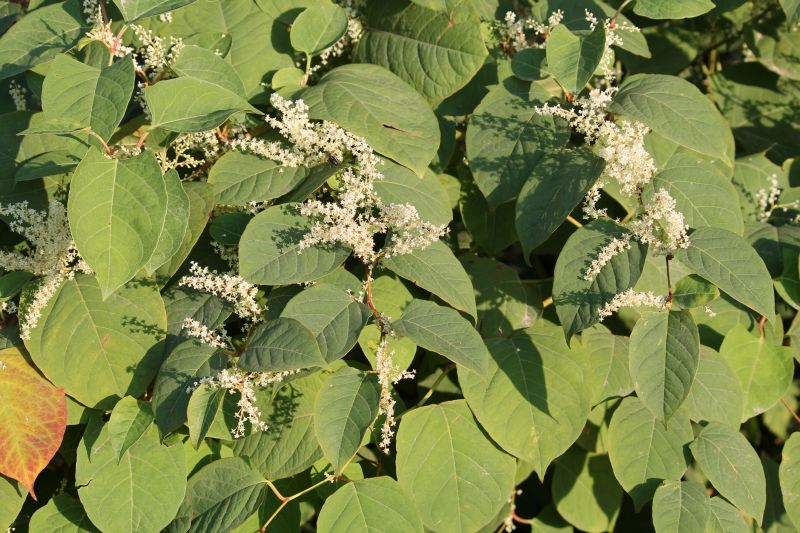
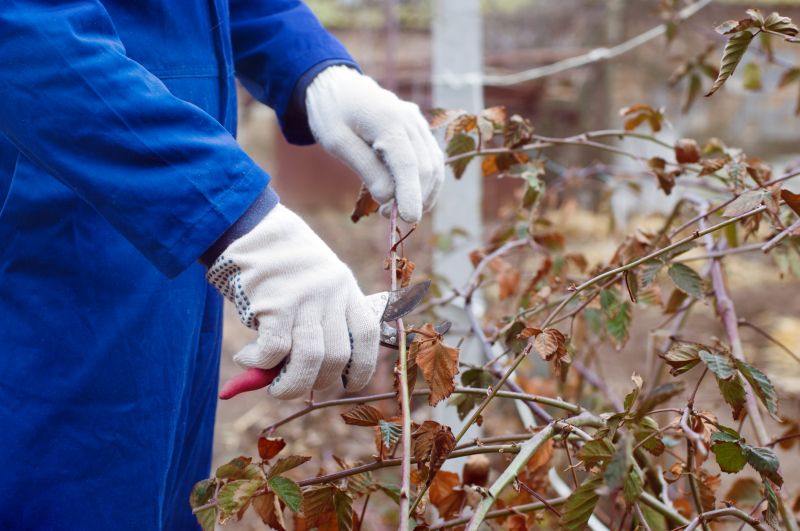
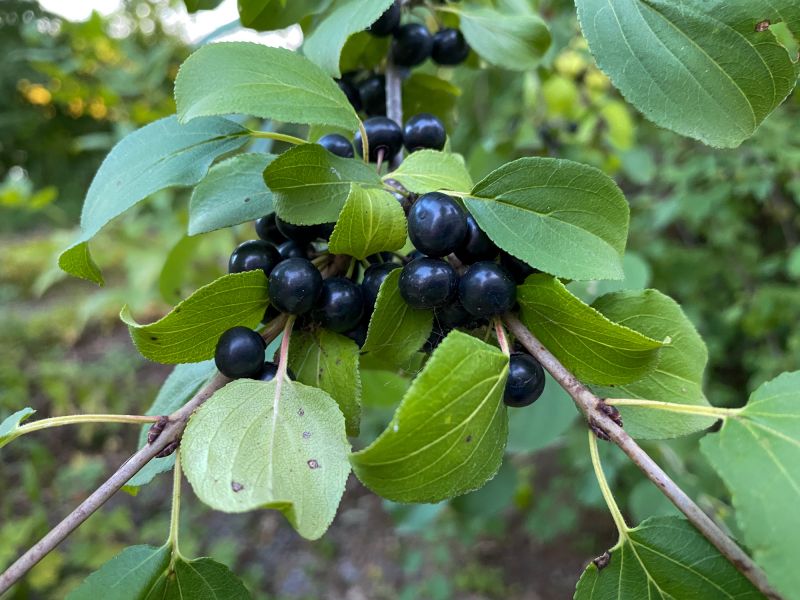
Japanese Barberry removal services involve the careful identification and eradication of this invasive shrub from residential and commercial properties. Skilled service providers typically start with a thorough assessment to determine the extent of the infestation. They then employ targeted techniques to remove the plants, which may include cutting, digging, and root removal to ensure the invasive species does not regrow. Proper disposal of the removed plants is also part of the process to prevent spreading to other areas. This comprehensive approach helps restore the natural landscape and prevents further spread of the Japanese Barberry.
This service helps address several common problems associated with Japanese Barberry. The plant can quickly take over garden beds, lawns, and wooded areas, crowding out native plants and reducing biodiversity. Its dense growth can also create habitats for pests like ticks, which can pose health risks to residents. Additionally, the thick, thorny branches can be a hazard for children and pets. Removing Japanese Barberry can improve the safety, appearance, and ecological health of a property, making it a valuable step for homeowners dealing with an invasive species encroaching on their land.
Japanese Barberry removal is often sought by property owners who notice the rapid expansion of this invasive shrub on their land. It is common for both suburban and rural properties, especially those with wooded areas or garden beds, to require this service. Homeowners who want to maintain a healthy landscape, prevent pest issues, or restore native plant growth frequently contact local contractors for removal. Commercial properties, parks, and community spaces may also need professional assistance to control Japanese Barberry and promote a balanced, attractive environment.
Property types that typically use Japanese Barberry removal services include residential yards, farms, and public green spaces. These properties often have natural areas where invasive plants can quickly establish and spread without intervention. Homeowners may seek removal to enhance curb appeal or prevent pests, while land managers and property developers look to control invasive species to comply with local regulations or preserve native ecosystems. Connecting with experienced service providers ensures that the removal process is thorough and effective, helping property owners maintain safe and attractive landscapes free from invasive Japanese Barberry.
The overview below groups typical Japanese Barberry Removal projects into broad ranges so you can see how smaller, mid-sized, and larger jobs often compare in Manchester, NH.
In many markets, a large share of routine jobs stays in the lower and middle ranges, while only a smaller percentage of projects moves into the highest bands when the work is more complex or site conditions are harder than average.
Smaller Removal Jobs - For removing Japanese Barberry from small areas or individual plants, local contractors typically charge between $250 and $600. Many routine projects fall into this middle range, depending on plant density and site accessibility.
Moderate Landscape Clearance - Larger sections of infested landscape may cost between $600 and $1,500. These projects often involve removing multiple bushes or shrubs and can vary based on yard size and complexity.
Extensive Removal and Site Preparation - For extensive Japanese Barberry removal across larger properties, costs generally range from $1,500 to $3,000. Fewer projects reach this tier, which is suited for heavily infested areas requiring significant labor.
Full Property Replacement or Major Landscaping - Complete removal and replacement of Japanese Barberry on large properties can exceed $3,000, with some complex or high-access projects reaching $5,000 or more. These larger, more involved jobs are less common but handled by experienced local service providers.
Actual totals will depend on details like access to the work area, the scope of the project, and the materials selected, so use these as general starting points rather than exact figures.
Invasive Plant Removal - Local contractors experienced in removing invasive species like Japanese Barberry often use similar techniques and tools to clear overgrown shrubbery and unwanted vegetation.
Landscape Clearing Services - Professionals who perform landscape clearing are skilled in removing dense brush and plants, which aligns with the skills needed for Japanese Barberry removal projects.
Brush and Shrub Removal - This type of project involves the removal of unwanted bushes and shrubs, requiring planning and tools comparable to those used in Japanese Barberry eradication.
Tree and Stump Removal - Removing small trees and stumps involves similar planning and equipment, making it relevant for contractors handling dense shrub removal like Japanese Barberry.
Garden Restoration Services - These projects often include clearing invasive plants and preparing areas for new planting, utilizing skills similar to Japanese Barberry removal.
Wildlife Habitat Management - Managing overgrown areas and invasive plants to restore native habitats shares techniques and planning approaches with Japanese Barberry removal services.
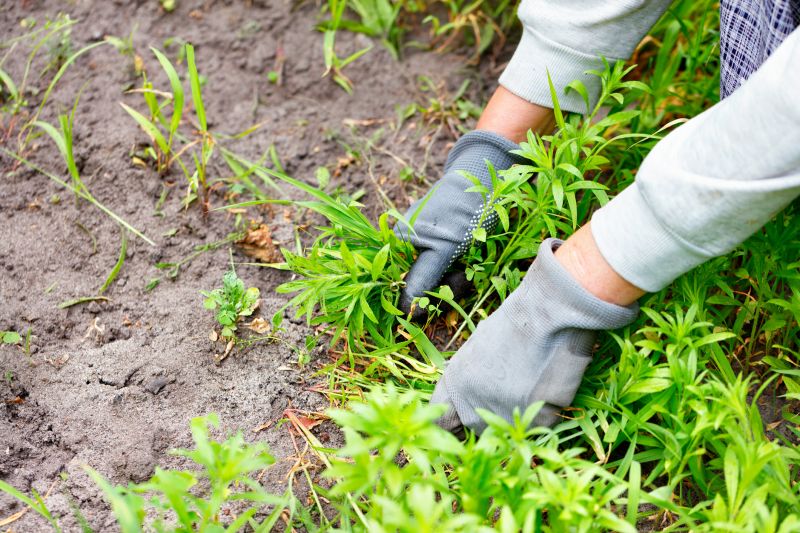
When evaluating service providers for Japanese Barberry removal, it’s important to consider their experience with similar projects in your area. Homeowners should look for local contractors who have a proven track record of handling invasive shrub removal, especially with plants like Japanese Barberry that can require specific techniques. Asking about previous work or requesting examples of completed projects can help gauge their familiarity with the task and ensure they understand the unique challenges involved in invasive plant management.
Clear, written expectations are essential to ensure everyone is on the same page regarding the scope of work, methods used, and any necessary follow-up. Homeowners should seek out service providers who can provide detailed descriptions of their approach and outline what is included in the removal process. This transparency helps prevent misunderstandings and allows for a better comparison between different local contractors, making it easier to identify those who communicate effectively and prioritize customer clarity.
Reputable references and strong communication skills are key indicators of reliable service providers. Homeowners should inquire about references or reviews from previous clients, especially those who had similar invasive plant removal projects. Good communication throughout the process-such as prompt responses to questions and clear explanations of procedures-can make the experience smoother and more predictable. It’s important to remember that this site introduces homeowners to local options; it does not perform the work itself, but helps connect individuals with qualified service providers capable of managing Japanese Barberry removal effectively.
Property owners in Manchester, NH use Japanese Barberry Removal services for practical projects around their homes and businesses. This guide focuses on everyday jobs and straightforward project options.
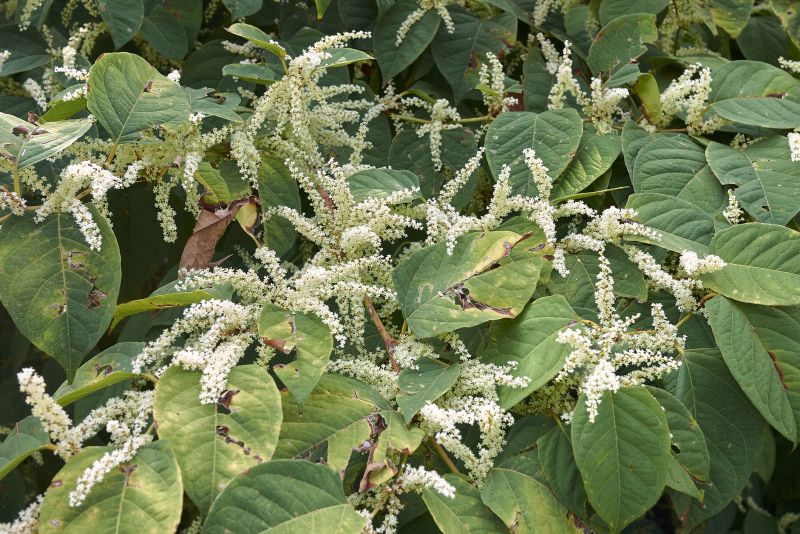
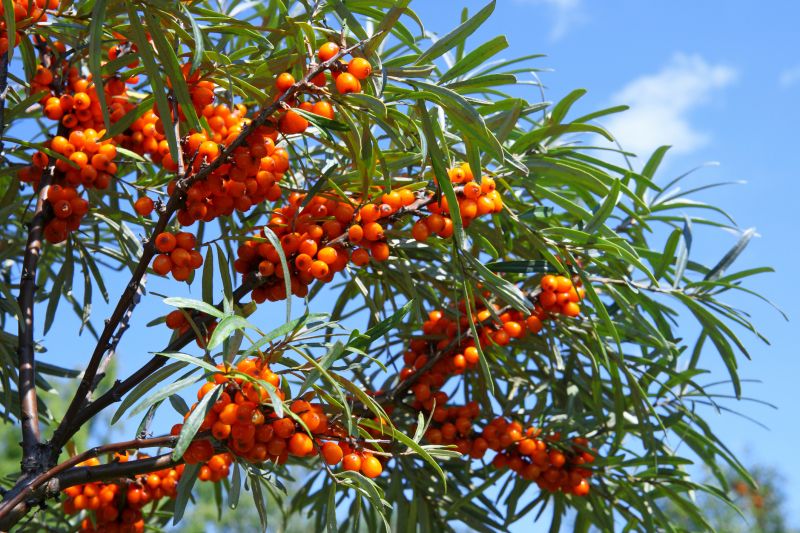
Japanese Barberry Removal services are often sought by property owners in Manchester, NH who notice this invasive shrub taking over their yards or gardens. Overgrown bushes can block sunlight, hinder lawn growth, and reduce the overall curb appeal of a property. Local contractors experienced in invasive plant removal can help clear these bushes efficiently, restoring the natural beauty and health of the landscape.
Additionally, property owners may look for Japanese Barberry removal when trying to prevent the spread of this invasive species to neighboring properties or natural areas. Removing these plants can be an important step in maintaining a healthy yard and complying with local regulations. Service providers in the area can provide the expertise needed to safely and effectively remove Japanese barberry, helping to keep outdoor spaces attractive and environmentally balanced.
What is Japanese Barberry, and why should it be removed? Japanese Barberry is an invasive shrub that can spread rapidly and crowd out native plants. Removal helps maintain healthy local ecosystems and prevents further spread of the species.
How do professionals typically remove Japanese Barberry? Local contractors use methods such as hand pulling, cutting, and herbicide application to effectively eliminate Japanese Barberry from properties.
Are there any regulations regarding Japanese Barberry removal? Regulations vary by area; contacting local service providers can help determine if permits or specific procedures are required for removal in Manchester, NH, and nearby communities.
What signs indicate Japanese Barberry needs to be removed? Dense thickets, presence of bright red berries in fall, and rapid spreading across your landscape are common signs that removal may be necessary.
Can Japanese Barberry be removed without damaging other plants? Yes, experienced local contractors use careful techniques to target Japanese Barberry while minimizing impact on surrounding vegetation.
Japanese Barberry Removal for Garden Health - Removing invasive Japanese Barberry can help improve the overall health and appearance of a garden or landscape.
Clearing Overgrown Shrubs - Local contractors can assist in removing dense or overgrown Japanese Barberry to create more open outdoor spaces.
Preparing for Landscaping Projects - Removing Japanese Barberry can be a practical step before planting new lawn features or garden beds.
Controlling Pest Habitats - Eliminating Japanese Barberry may reduce habitats for pests like ticks, supporting a safer outdoor environment.
If you are thinking about Japanese Barberry Removal for a property in Manchester, NH, this guide is meant to help you understand the work, the typical project types, and how different options might fit your plans.
When you are ready, you can use the quote form on this page to share a few details about your project. From there, local pros can review the basics and respond with options that match what you have in mind.